Glycerine
About This Product
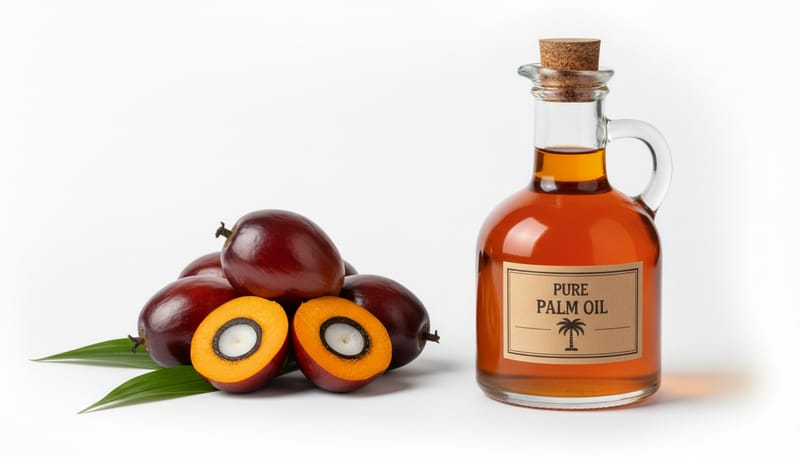
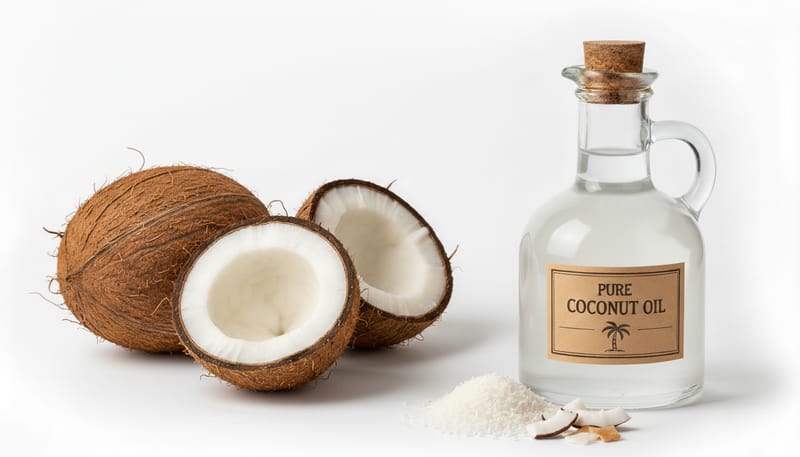
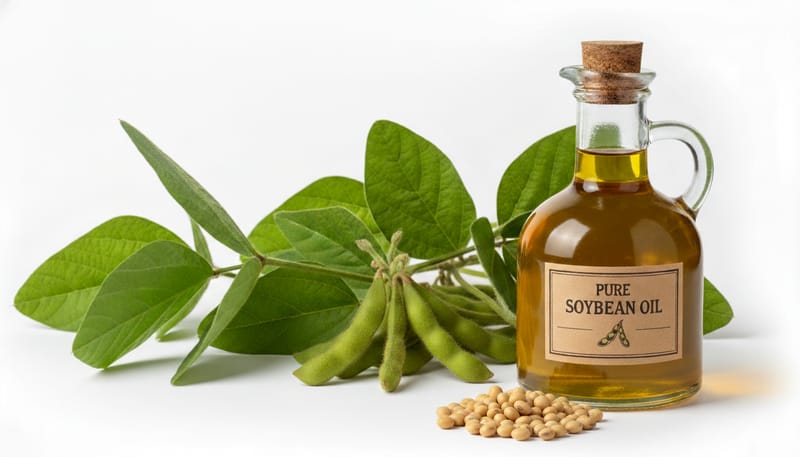
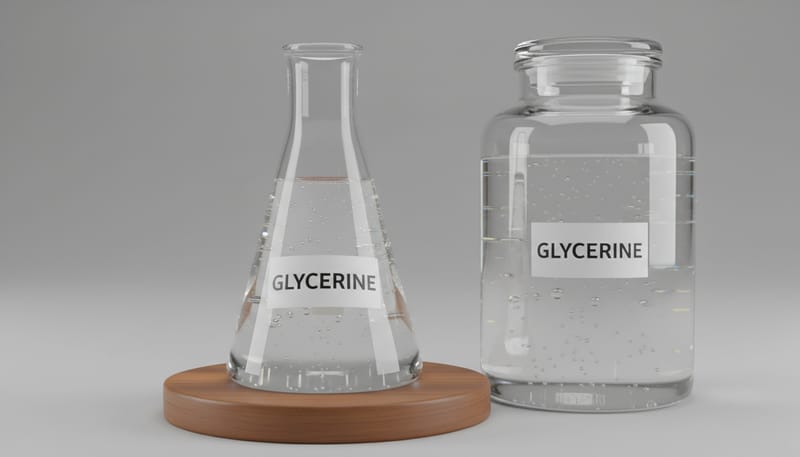
Glycerine (glycerol, C₃H₈O₃) is a colorless, odorless, viscous liquid with a sweet taste, naturally derived as a by‑product of soap manufacturing, biodiesel production, and fat splitting. It is one of the most versatile chemicals in commerce, used across pharmaceuticals, cosmetics, food, and industrial applications. In skincare, glycerine acts as a powerful humectant, drawing moisture to the skin. In food, it serves as a sweetener, solvent, and preservative. Pharmaceutical‑grade glycerine is used in cough syrups, suppositories, and wound care. Industrially, it is a feedstock for producing nitroglycerin, alkyd resins, and polyurethanes. Glycerine can be plant‑based (from palm, coconut, or soy oils) or synthetic (from petrochemical sources). Interesting fact: glycerine was accidentally discovered in 1779 by Swedish chemist Carl Wilhelm Scheele while heating olive oil with lead oxide, and it remains one of the most widely used chemicals in personal care products worldwide.
Applications
Indicative price: GBP 1.00
Prices change with market supply and demand. Contact our sales team for the latest quotation.