Textiles & Leather

Bio Green Wax provides high-performance waxes and specialty coatings for the textile manufacturing and leather processing industries. Our products enhance fabric performance, improve leather quality, and optimise manufacturing processes across spinning, weaving, finishing, and leather treatment operations.
Our textile and leather product range includes Carnauba Wax, Beeswax, Rapeseed Wax, Palm Wax, Sunflower Wax, Soy Wax, Fully Refined Paraffin Wax, Semi Refined Paraffin Wax, Microcrystalline Wax, Palm Stearic Acid, and Polyethylene Wax (PE Wax). These products are available in various forms including flakes, pastilles, slabs, and emulsions to suit different application methods.
In textile manufacturing, our waxes serve as essential lubricants for yarn spinning and weaving, reducing friction and breakage while improving sewability and processing speed. For fabric finishing, our products provide water repellency, softness, and anti-static properties. Palm Stearic Acid is widely used in textile softener formulations, while PE Wax enhances surface smoothness and abrasion resistance.
For leather processing, our natural waxes — particularly Carnauba, Beeswax, and Microcrystalline Wax — deliver superior waterproofing, conditioning, and polishing properties. They restore suppleness, enhance colour depth, and provide long-lasting surface protection for finished leather goods including footwear, handbags, and upholstery.
All products are supplied with technical data sheets and certificates of analysis. Our team can provide guidance on wax selection, emulsion preparation, and application techniques to help you achieve optimal results in your specific textile or leather manufacturing processes.

Products for Textiles & Leather

Carnauba Wax
Carnauba wax (CAS 8015-86-9, INCI Copernicia Cerifera Wax) is harvested from the leaves of the Brazilian carnauba palm. Melting at 82 to 86 degrees Celsius, it is the hardest natural wax in commercial use and gives the highest gloss.

Beeswax
Beeswax (CAS 8012-89-3 yellow, 8006-40-4 white; INCI Cera Flava and Cera Alba) is secreted by worker honeybees to build comb. It melts at 61 to 65 degrees Celsius and is the reference natural wax for candles, cosmetics and polishes.

Beeswax Comb Foundation
Beeswax comb foundation: thin sheets of pure beeswax embossed on both sides with hexagonal cell bases, fitted in hive frames to guide comb building. Offered in cell sizes for Apis mellifera and Apis cerana cerana.

Rapeseed Wax
Rapeseed wax is hydrogenated rapeseed oil, supplied as blocks melting at 42 to 52 degrees Celsius or pellets at 52 to 60. European-grown and vegan, it has become the preferred soy alternative for candle makers sourcing within Europe.

Palm Wax
Palm wax (CAS 8021-56-5, INCI Hydrogenated Palm Oil) is hydrogenated palm oil, supplied in melting bands from 42 to 60 degrees Celsius. It is the only common vegetable wax that forms a decorative crystalline pattern as it sets.

Soy Wax
Soy wax (CAS 8016-70-4, INCI Hydrogenated Soybean Oil) is soybean oil hardened by hydrogenation. Supplied as blocks, flakes or pellets with melting points from 42 to 58 degrees Celsius, it is the default natural wax for container candles.

Food-Grade Paraffin Wax (62 °C, IS 4654)
A food-grade paraffin wax, CAS 8002-74-2, designated by its nominal 62 °C melting point and tested by IS 4654 and IS 1448 methods, with oil content held to 0.50% or less. Buyers should confirm that it suits their food-contact, cosmetic or medicinal use.
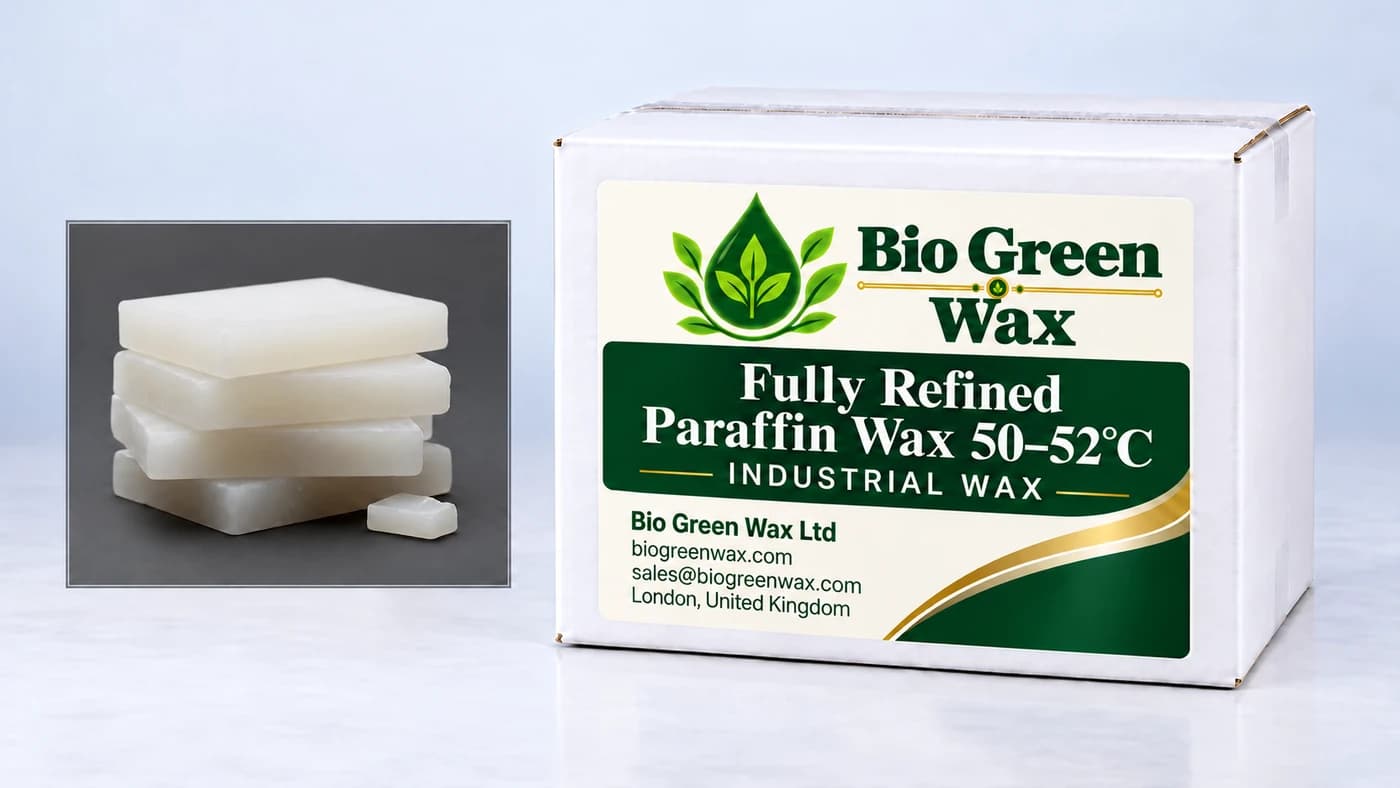
Fully Refined Paraffin Wax (50–52°C)
Fully Refined Paraffin Wax, 50–52°C melting-range grade (CAS 8002-74-2), for candle, coating and industrial wax formulations. Confirm the specification and availability for this grade.
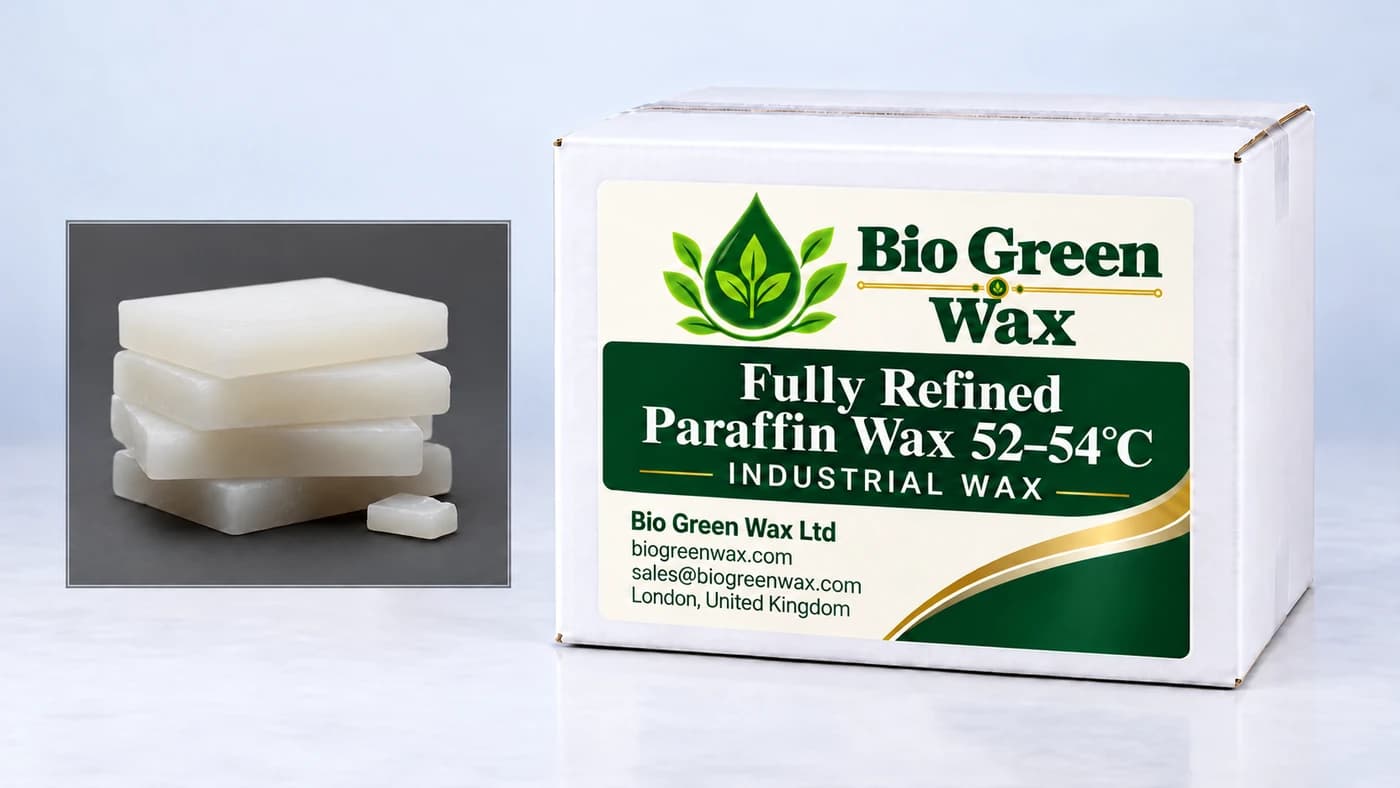
Fully Refined Paraffin Wax (52–54°C)
Fully Refined Paraffin Wax, 52–54°C melting-range grade (CAS 8002-74-2), for candle, coating and industrial wax formulations. Confirm the specification and availability for this grade.
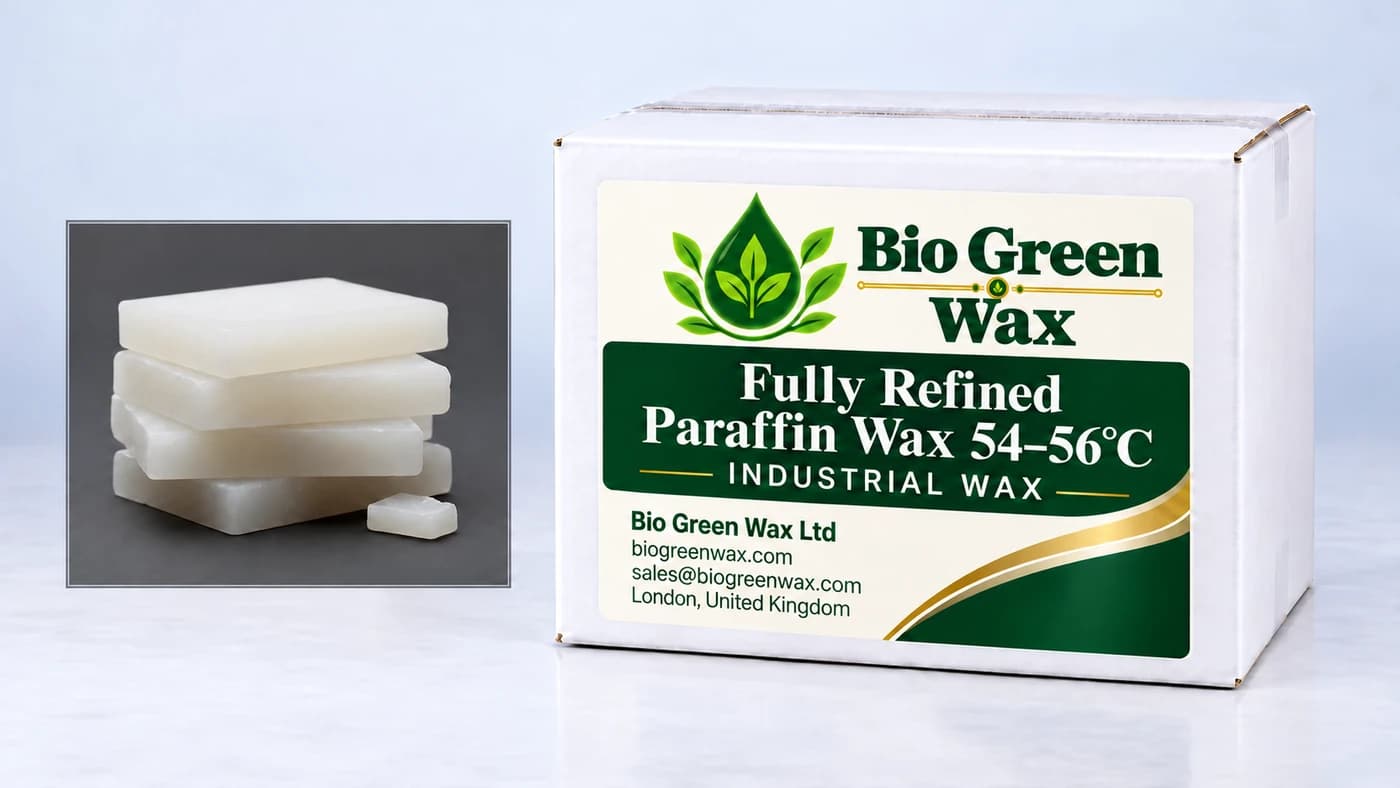
Fully Refined Paraffin Wax (54–56°C)
Fully Refined Paraffin Wax, 54–56°C melting-range grade (CAS 8002-74-2), for candle, coating and industrial wax formulations. Confirm the specification and availability for this grade.
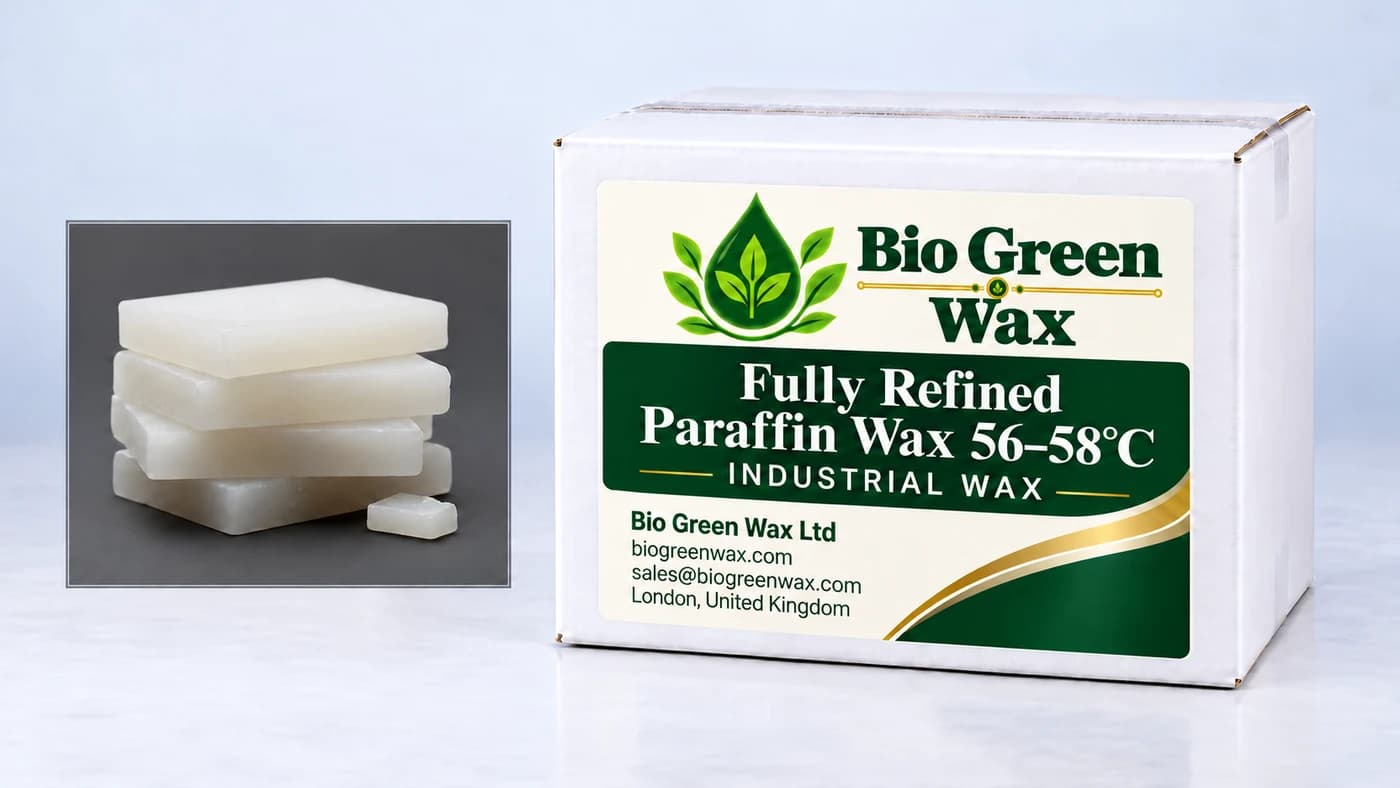
Fully Refined Paraffin Wax (56–58°C)
Fully Refined Paraffin Wax, 56–58°C melting-range grade (CAS 8002-74-2), for candle, coating and industrial wax formulations. Confirm the specification and availability for this grade.
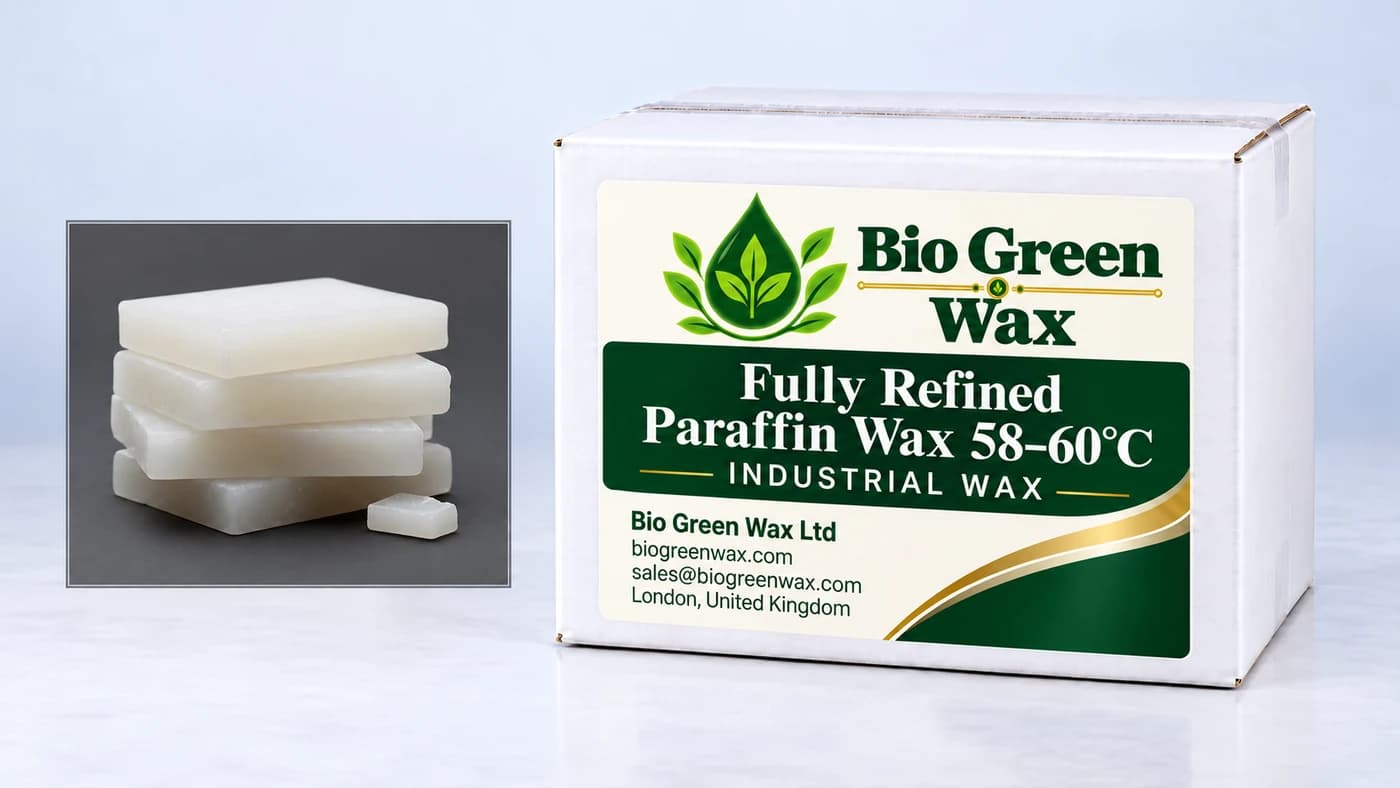
Fully Refined Paraffin Wax (58–60°C)
Fully Refined Paraffin Wax, 58–60°C melting-range grade (CAS 8002-74-2), for candle, coating and industrial wax formulations. Confirm the specification and availability for this grade.
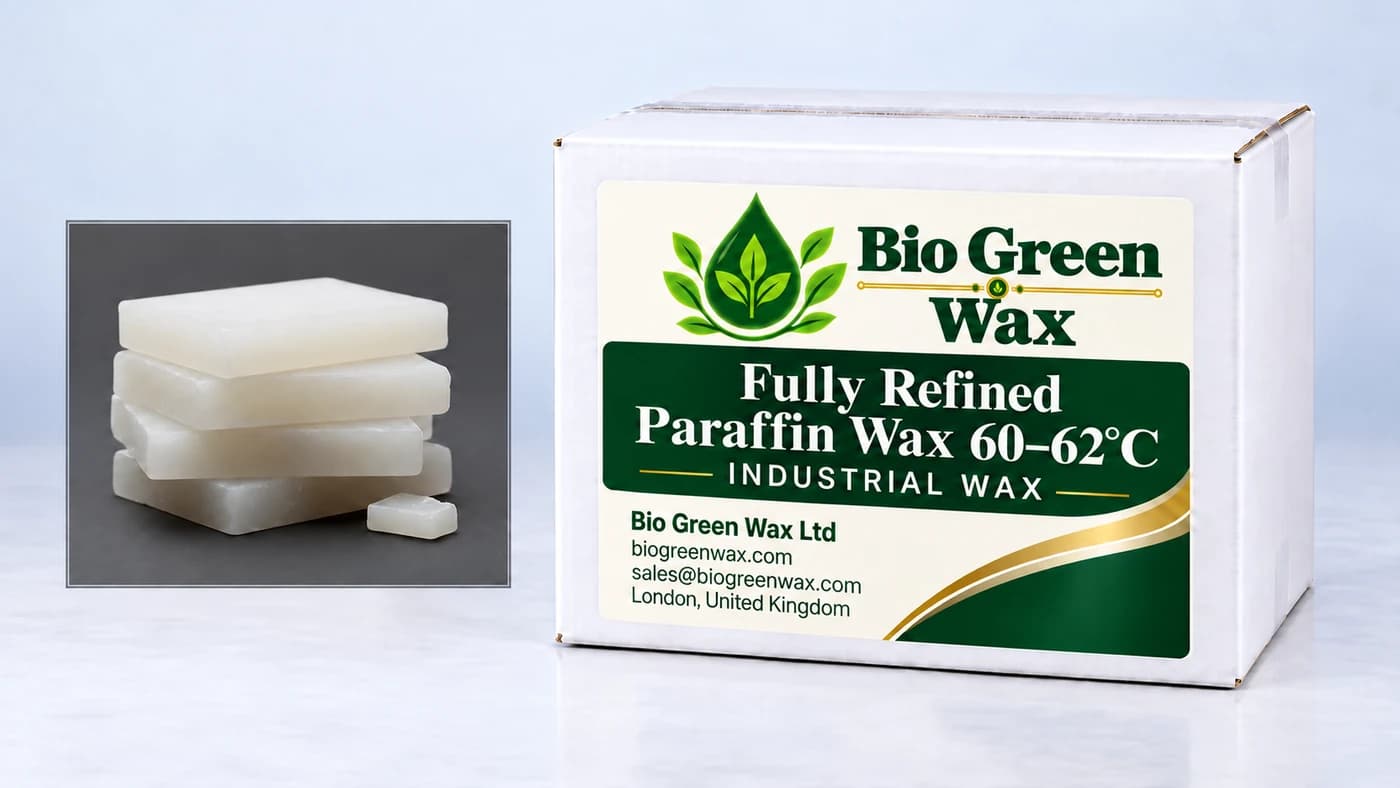
Fully Refined Paraffin Wax (60–62°C)
Fully Refined Paraffin Wax, 60–62°C melting-range grade (CAS 8002-74-2), for candle, coating and industrial wax formulations. Confirm the specification and availability for this grade.
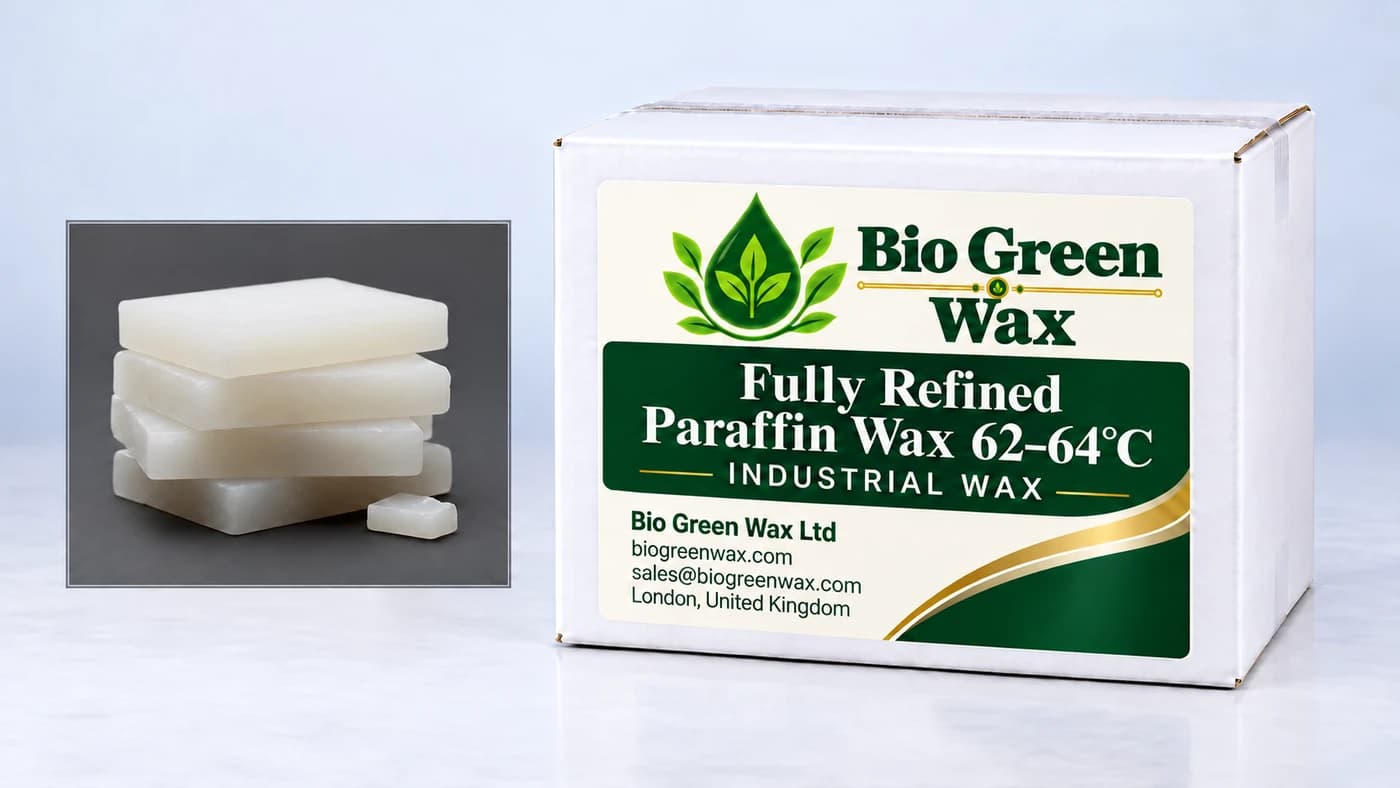
Fully Refined Paraffin Wax (62–64°C)
Fully Refined Paraffin Wax, 62–64°C melting-range grade (CAS 8002-74-2), for candle, coating and industrial wax formulations. Confirm the specification and availability for this grade.
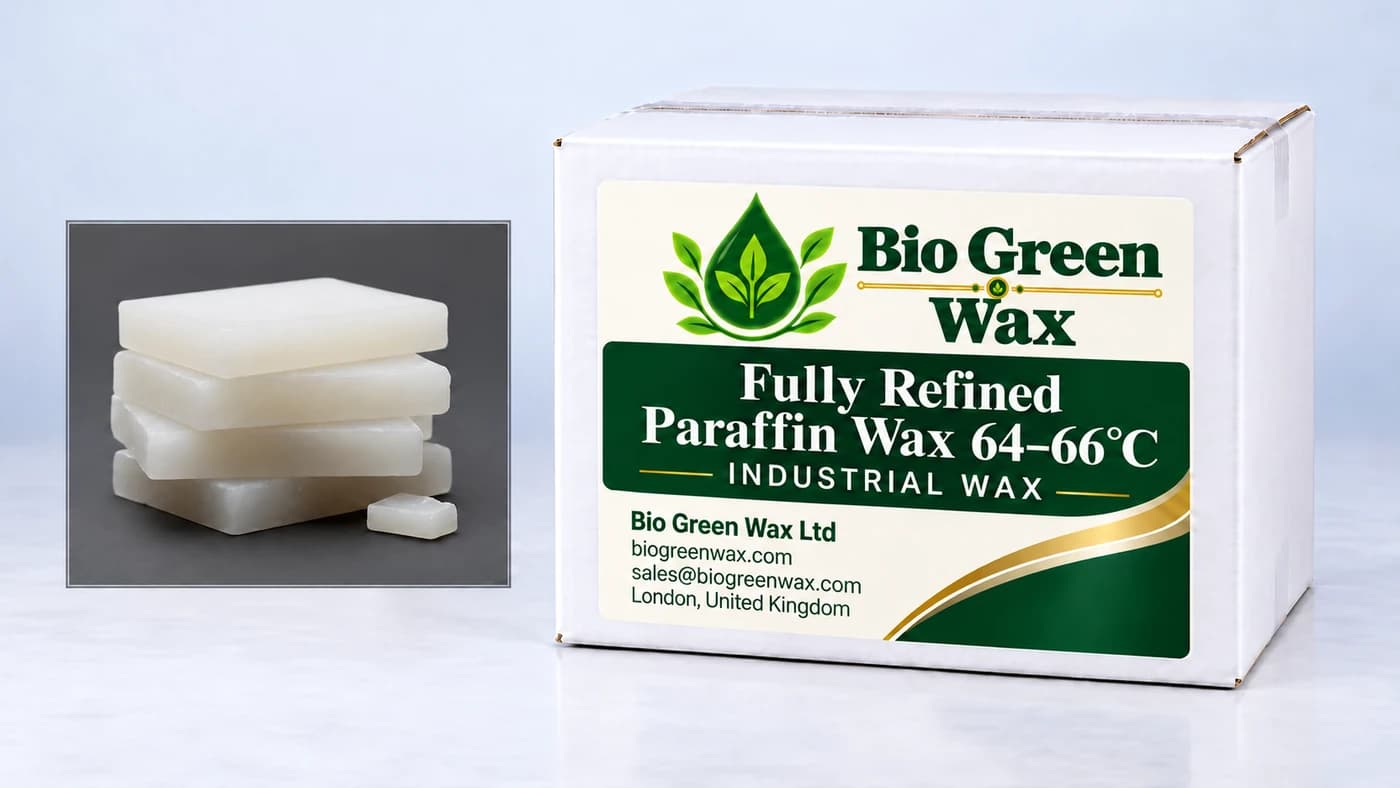
Fully Refined Paraffin Wax (64–66°C)
Fully Refined Paraffin Wax, 64–66°C melting-range grade (CAS 8002-74-2), for candle, coating and industrial wax formulations. Confirm the specification and availability for this grade.
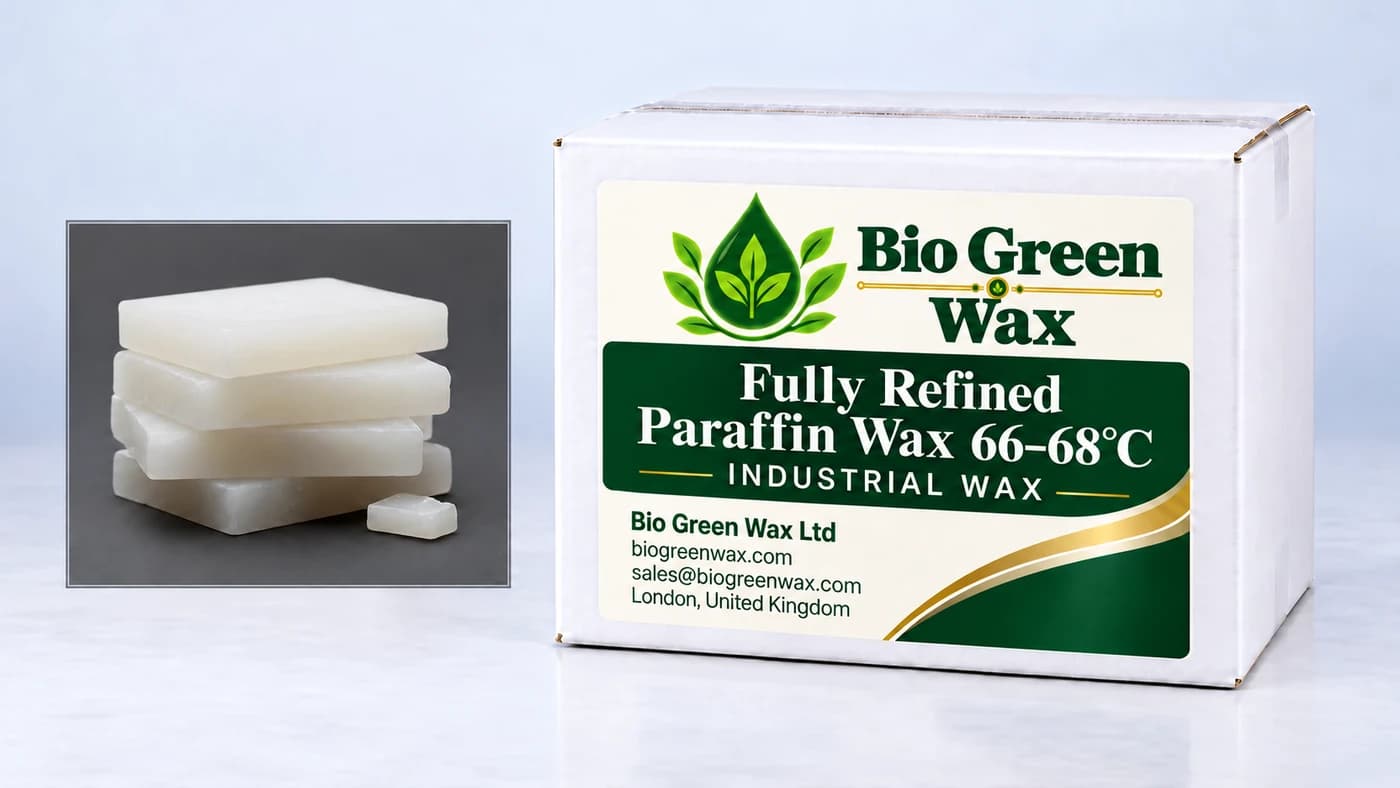
Fully Refined Paraffin Wax (66–68°C)
Fully Refined Paraffin Wax, 66–68°C melting-range grade (CAS 8002-74-2), for candle, coating and industrial wax formulations. Confirm the specification and availability for this grade.
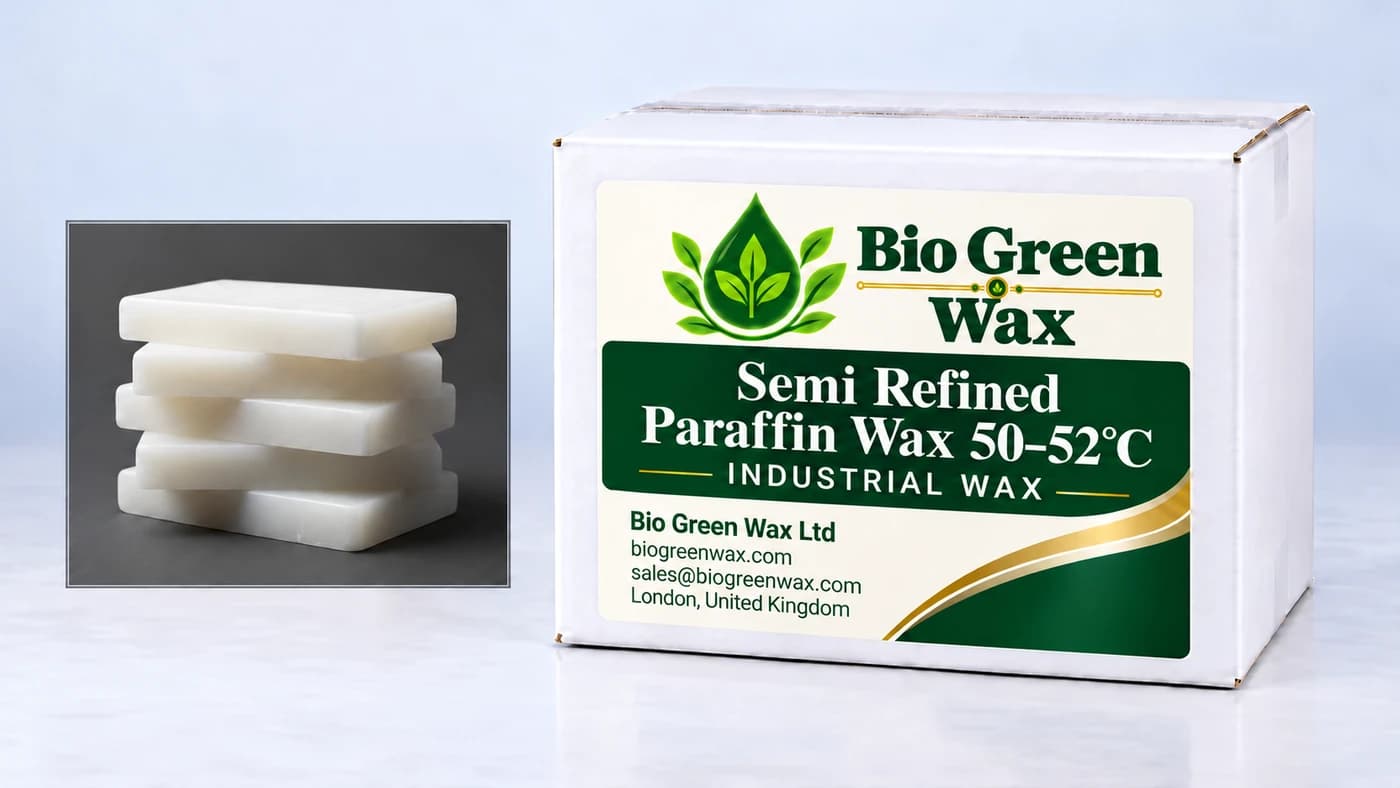
Semi Refined Paraffin Wax (50–52°C)
Semi Refined Paraffin Wax, 50–52°C melting-range grade (CAS 8002-74-2), for candle, coating and industrial wax formulations. Confirm the specification and availability for this grade.
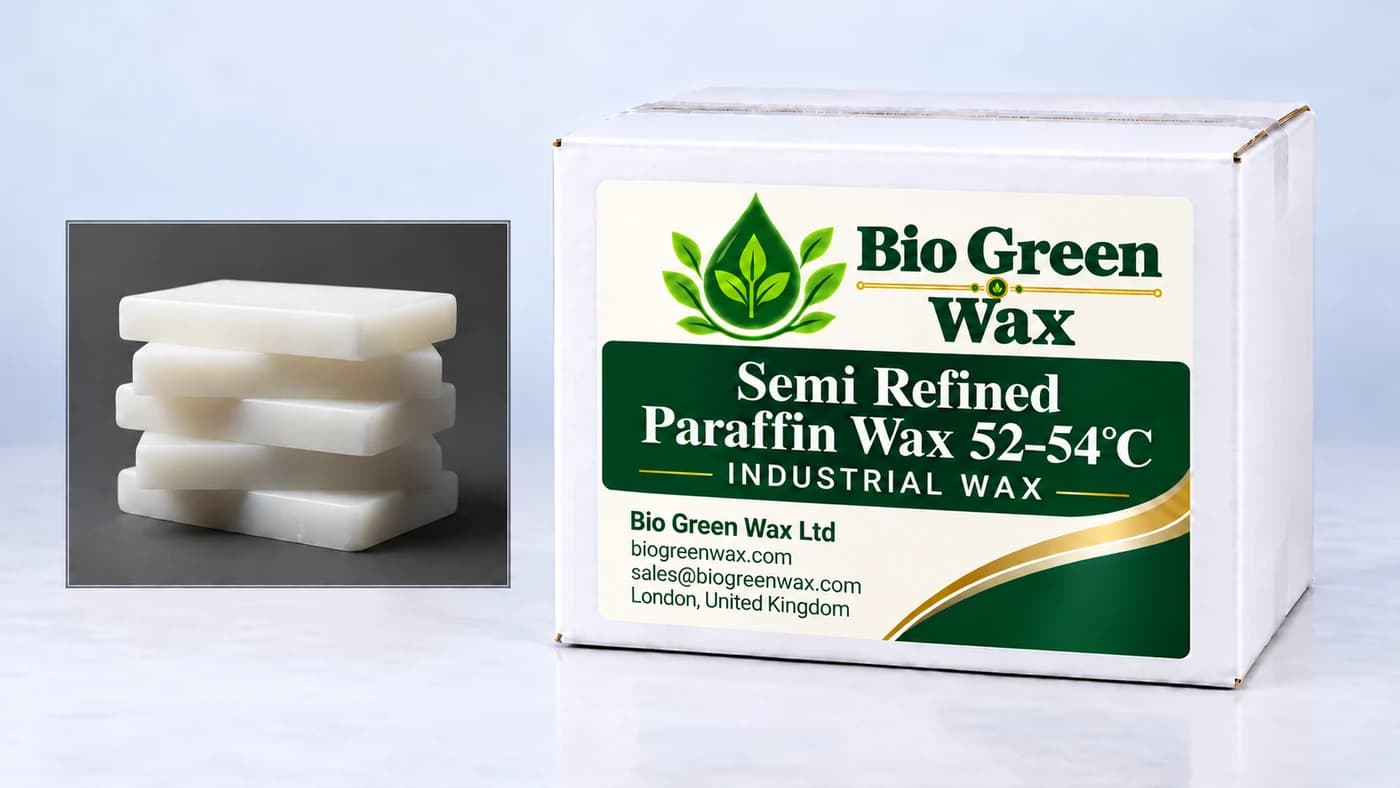
Semi Refined Paraffin Wax (52–54°C)
Semi Refined Paraffin Wax, 52–54°C melting-range grade (CAS 8002-74-2), for candle, coating and industrial wax formulations. Confirm the specification and availability for this grade.
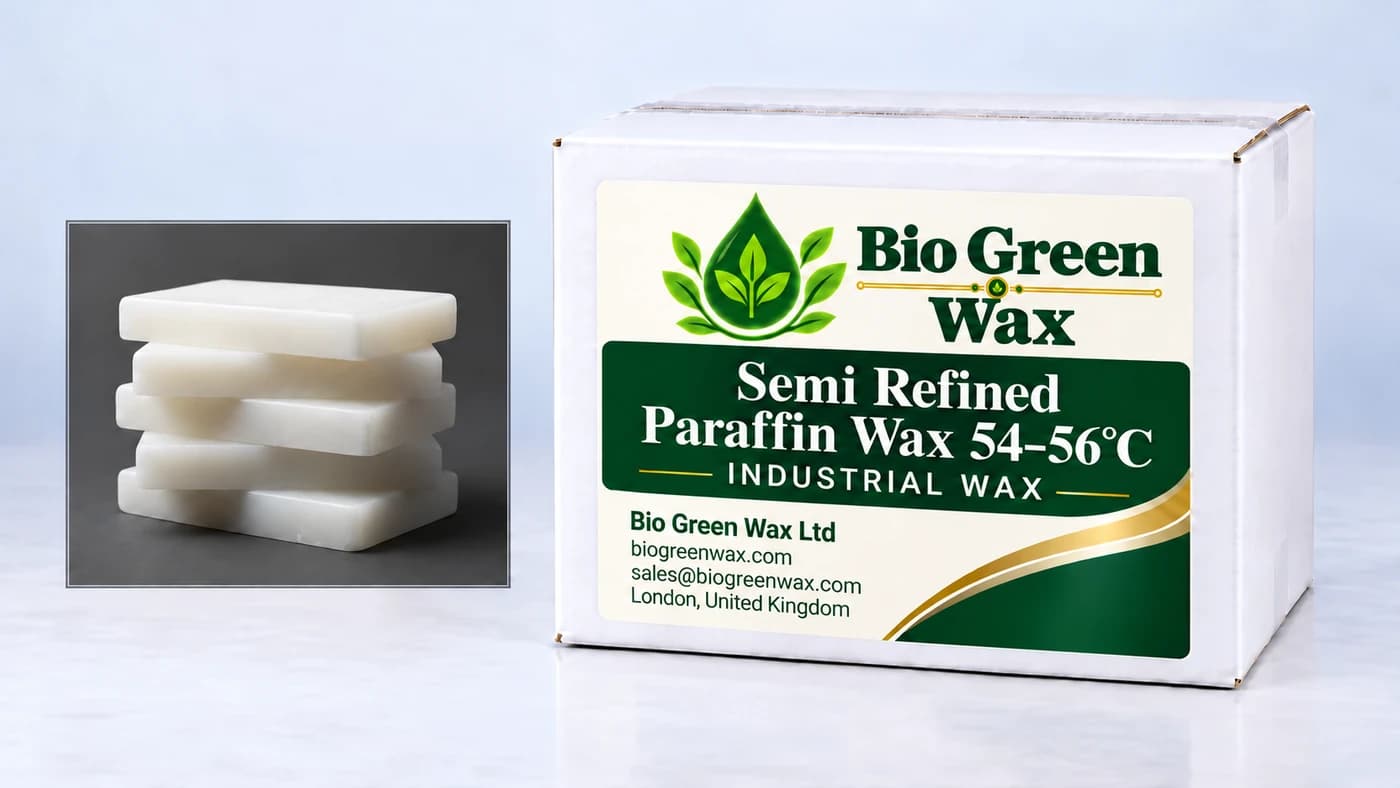
Semi Refined Paraffin Wax (54–56°C)
Semi Refined Paraffin Wax, 54–56°C melting-range grade (CAS 8002-74-2), for candle, coating and industrial wax formulations. Confirm the specification and availability for this grade.
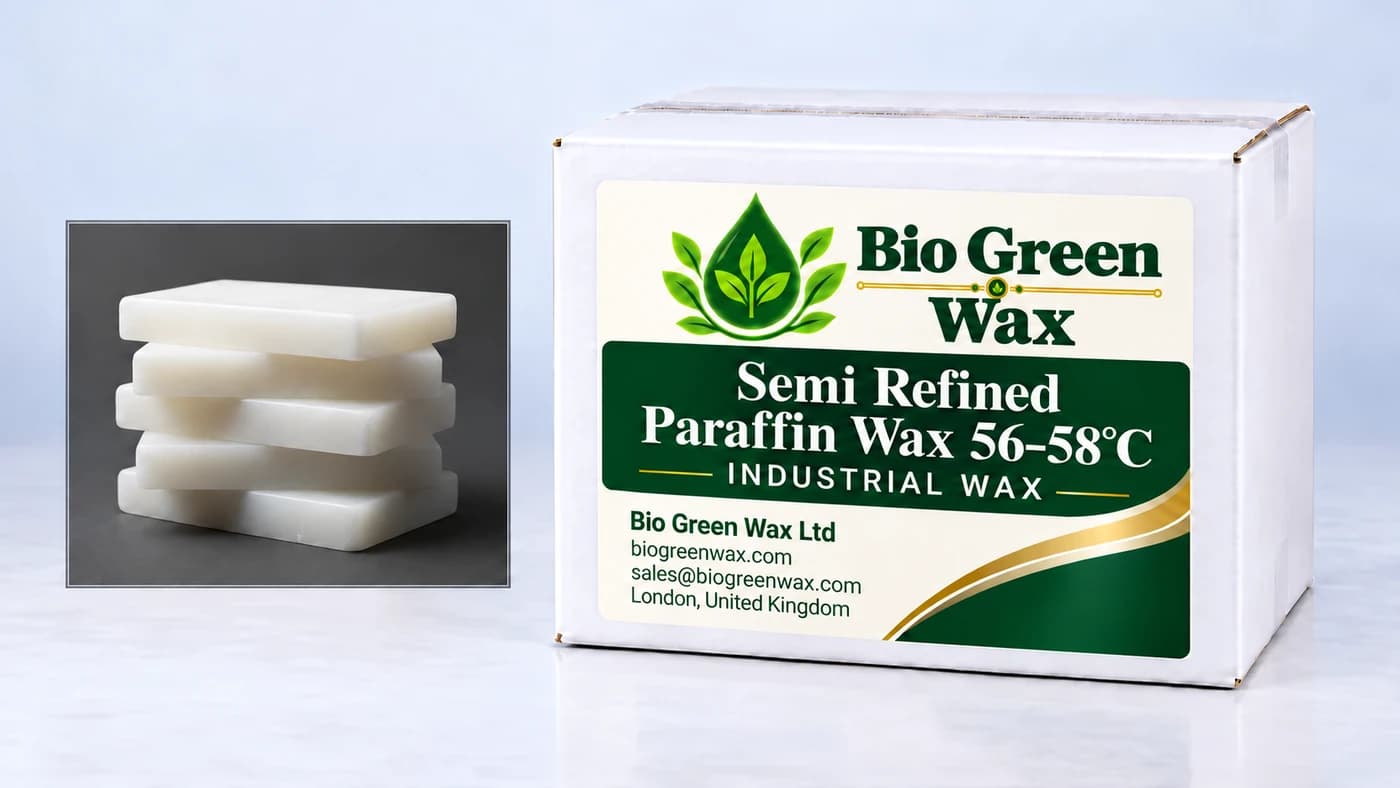
Semi Refined Paraffin Wax (56–58°C)
Semi Refined Paraffin Wax, 56–58°C melting-range grade (CAS 8002-74-2), for candle, coating and industrial wax formulations. Confirm the specification and availability for this grade.
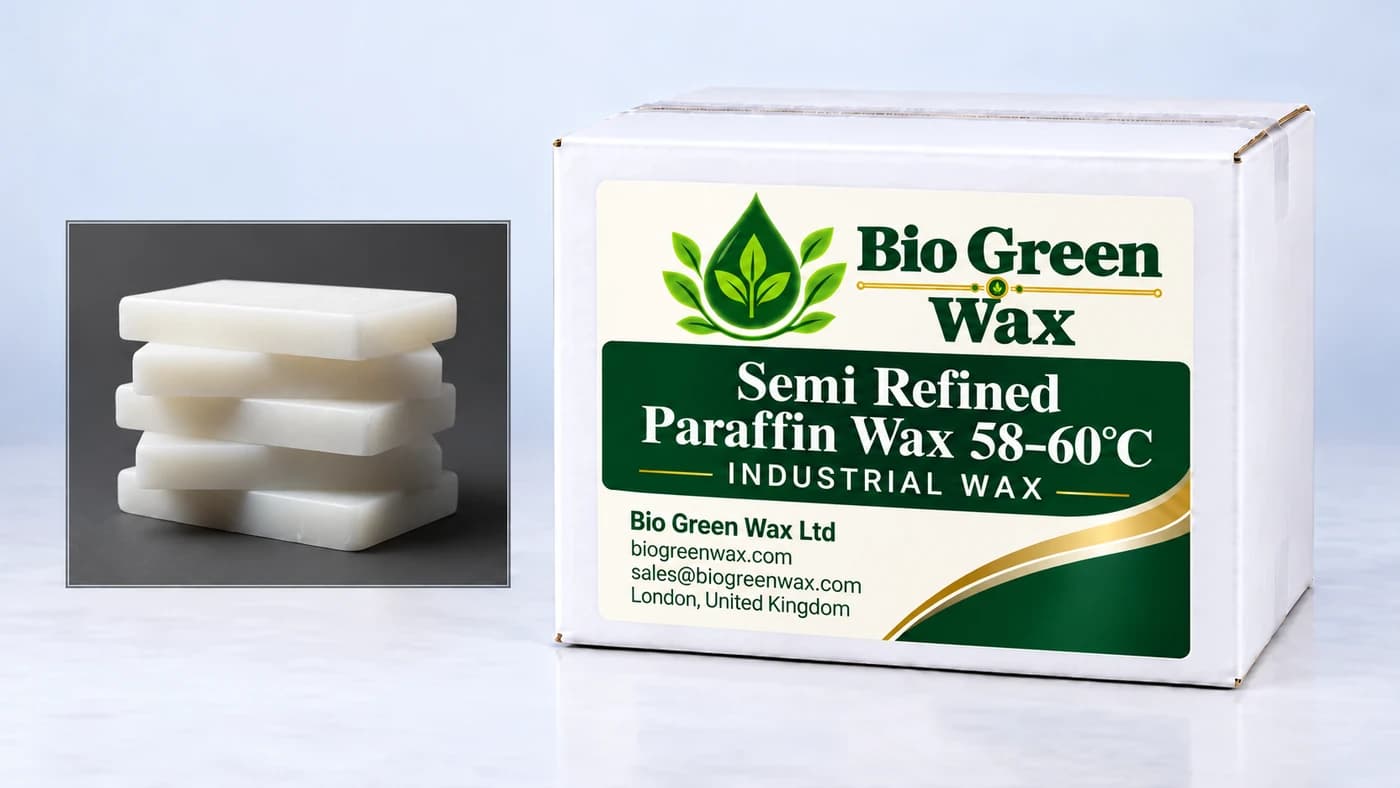
Semi Refined Paraffin Wax (58–60°C)
Semi Refined Paraffin Wax, 58–60°C melting-range grade (CAS 8002-74-2), for candle, coating and industrial wax formulations. Confirm the specification and availability for this grade.
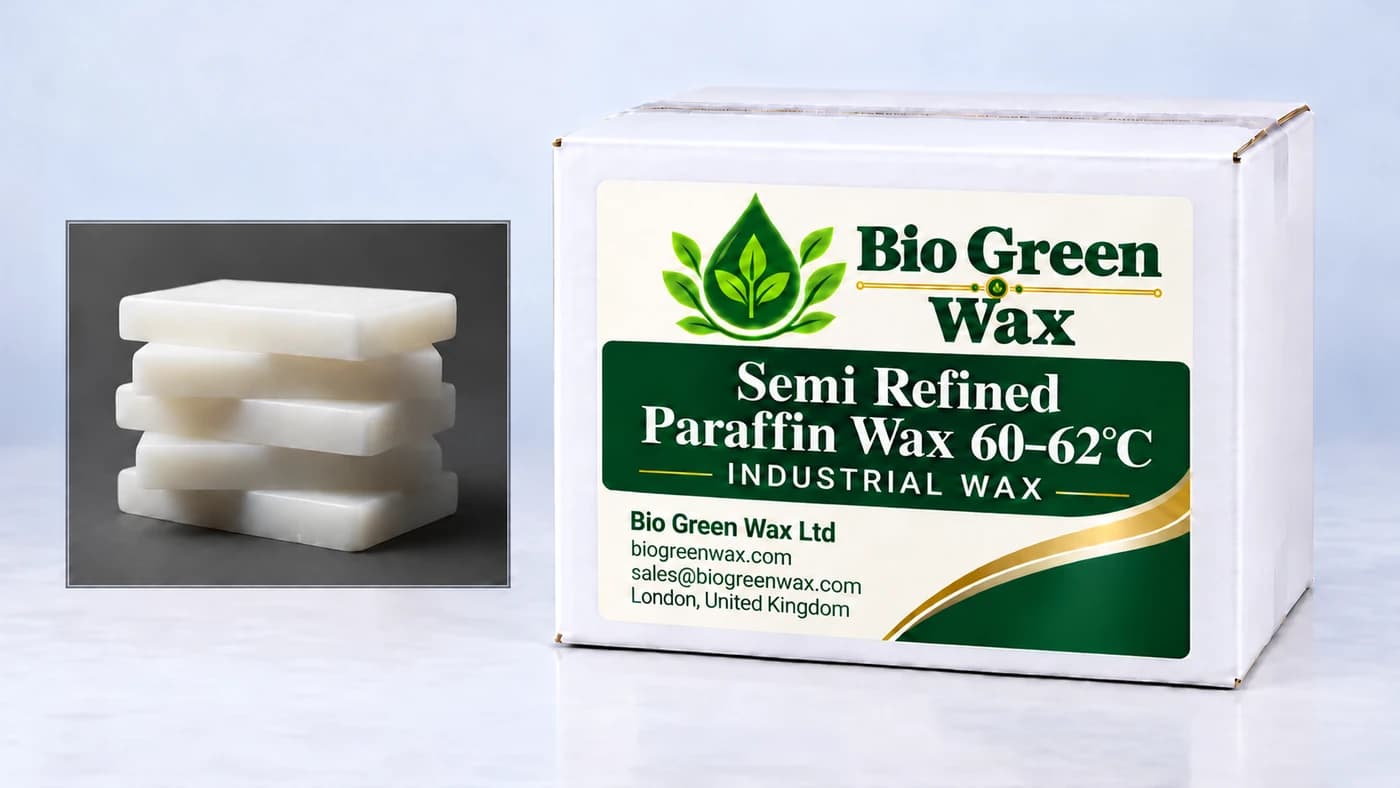
Semi Refined Paraffin Wax (60–62°C)
Semi Refined Paraffin Wax, 60–62°C melting-range grade (CAS 8002-74-2), for candle, coating and industrial wax formulations. Confirm the specification and availability for this grade.
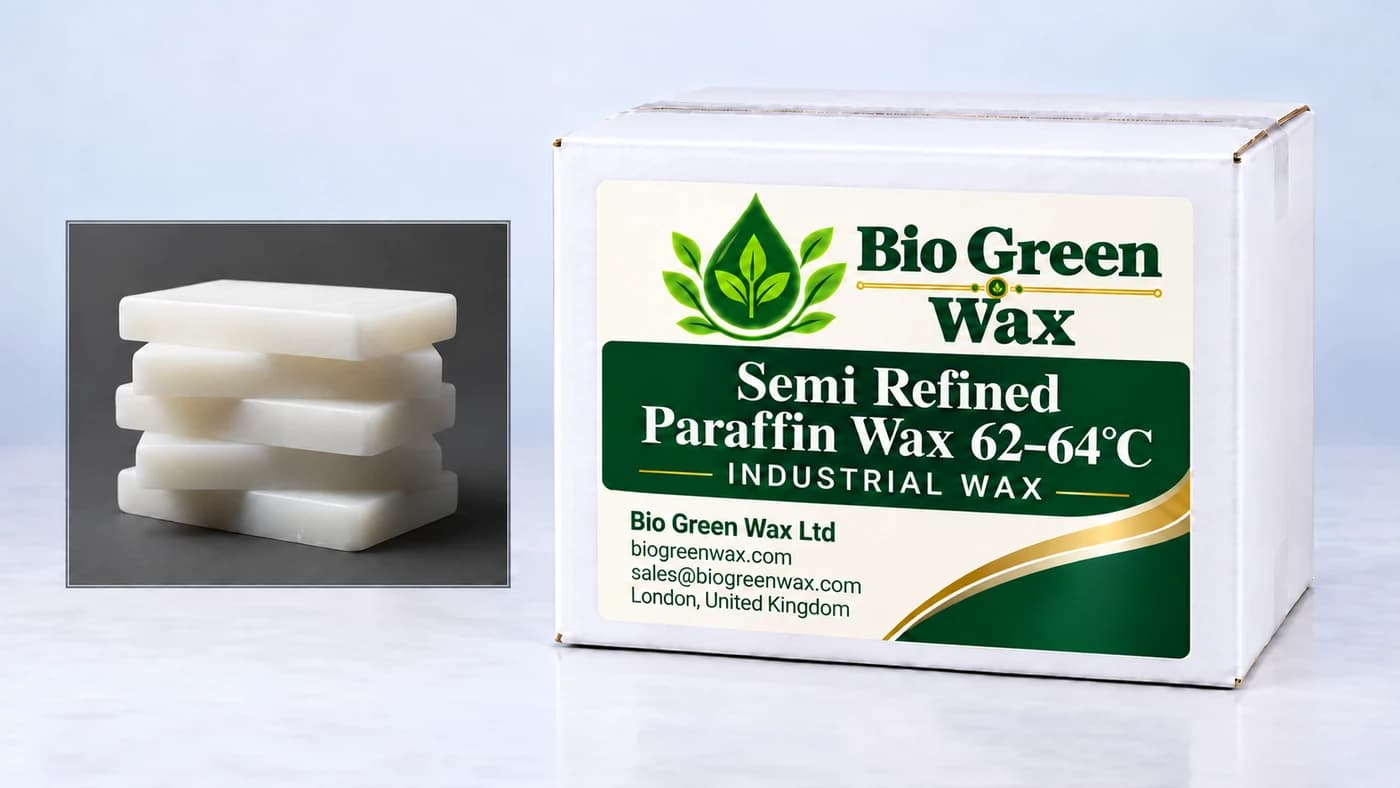
Semi Refined Paraffin Wax (62–64°C)
Semi Refined Paraffin Wax, 62–64°C melting-range grade (CAS 8002-74-2), for candle, coating and industrial wax formulations. Confirm the specification and availability for this grade.
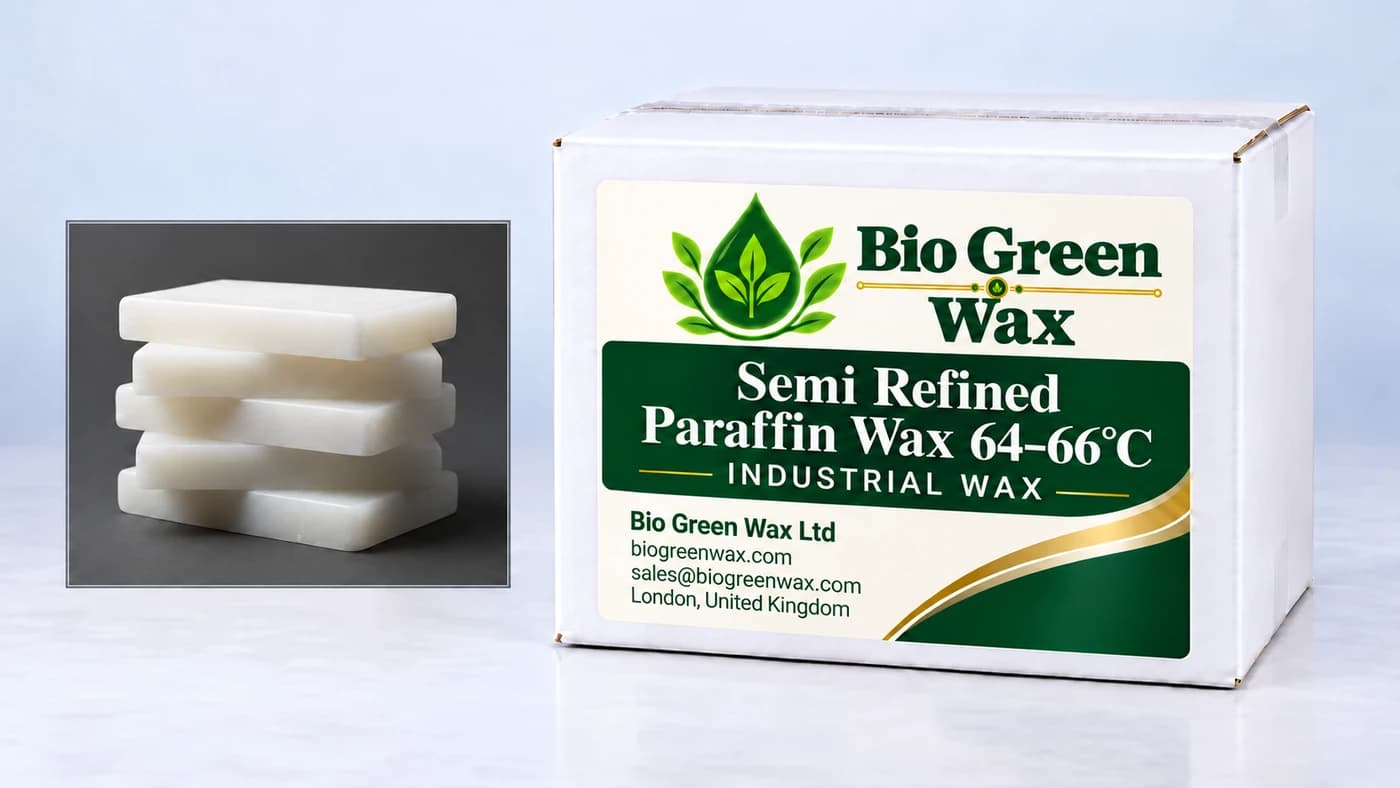
Semi Refined Paraffin Wax (64–66°C)
Semi Refined Paraffin Wax, 64–66°C melting-range grade (CAS 8002-74-2), for candle, coating and industrial wax formulations. Confirm the specification and availability for this grade.
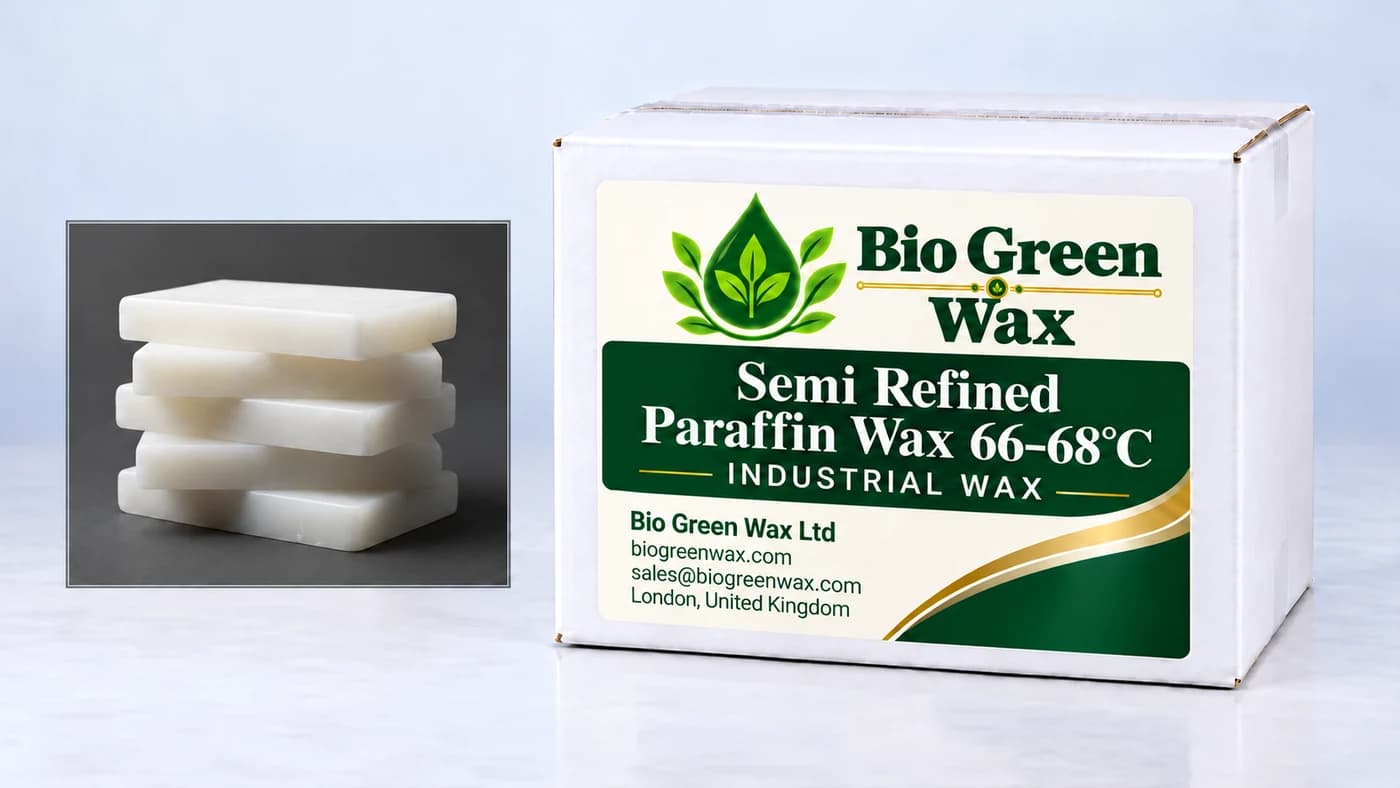
Semi Refined Paraffin Wax (66–68°C)
Semi Refined Paraffin Wax, 66–68°C melting-range grade (CAS 8002-74-2), for candle, coating and industrial wax formulations. Confirm the specification and availability for this grade.

Microcrystalline Wax
Microcrystalline wax (CAS 63231-60-7) is petroleum wax made of branched and cyclic hydrocarbons rather than straight chains. The irregular molecules cannot pack neatly, so it forms tiny crystals and is flexible and tacky where paraffin is brittle.
Microcrystalline Wax 160S (66–75°C)
Microcrystalline wax 160S, a petroleum hydrocarbon wax, is specified to a 66–75 °C melting range by ASTM D-127. Limits also apply to oil content (10 wt% max), ASTM colour (2.5 max), specific gravity (0.84–0.87) and flash point (200 °C min).
Microcrystalline Wax 170S (76–85°C)
Microcrystalline wax grade 170S has its melting point set at 76–85 °C (ASTM D-127). Oil is limited to 5 wt%, ASTM colour sits between 0.5 and 2.5, the 15/4 °C specific gravity spans 0.84–0.87 and the flash point is not below 200 °C.

Palm Stearic Acid
Palm Stearic Acid is a saturated fatty acid (C₁₈H₃₆O₂) derived from palm oil through hydrolysis and fractionation. It appears as a white, waxy solid with a mild odor and is one of the most common fatty acids used in industrial and consumer products.

Rubber Grade Stearic Acid
Stearic acid graded for tyre and rubber compounding, with a titre of 50 °C minimum and an acid value of 196–216 mg KOH/g. Supplied as bead or flake for use alongside zinc oxide in sulphur-cured compounds.

Single-Pressed Stearic Acid (Industrial Grade)
Single-pressed stearic acid for industrial use, in cream to pale yellow beads or flakes. Iodine value runs up to 8.0 g I₂/100 g, colour to 400 Hazen, and the melting point is at least 52.0 °C. It serves rubber, PVC, candle and metallic stearate work where whiteness is not critical.

Stearic Acid 1838 (C18 35.0–41.0%)
Stearic acid 1838 is a triple-pressed grade with 35.0–41.0% C18, the balance mainly palmitic acid. Its white beads or flakes melt at 53.0–57.0 °C, with colour to 60 Hazen and iodine value to 1.0 g I₂/100 g, and it sets softer than the higher-C18 grades.

Stearic Acid 1842 (C18 40.0–44.0%)
Triple-pressed stearic acid 1842 combines 40.0–44.0% C18 with 52.00–59.00% C16 and is supplied as white beads or flakes. It melts at 53.0–57.0 °C, holds iodine value to a 0.50 g I₂/100 g ceiling and is used in personal care, candles, plastics and rubber.

Stearic Acid 1865 (C18 65.0–69.0%)
Holding 65.0–69.0% C18, stearic acid 1865 is a C18-rich triple-pressed grade that melts at 58.0–63.0 °C and is firmer than the palmitic-rich grades. The white beads or flakes are held to 60 Hazen max and suit soap, creams, sticks, bars and rubber.

Stearic Acid 1870 (C18 70.0–75.0%)
Stearic acid 1870 is a C18-rich grade: C18 makes up 70.0–75.0% and it melts at 59.0–63.0 °C. Supplied as white beads or flakes for soap, personal-care, lubricant and metallic stearate production.

Stearic Acid 1890 (C18 88.0–94.0%)
A high-purity stearic acid containing 88.0–94.0% C18, melting at 65.0–68.0 °C and offered in white bead or flake form. It serves pharmaceutical, personal-care, emulsifier and ester applications where low colour matters.

Stearic Acid 1895 (C18 95.0% min)
Stearic acid 1895 is specified at 95.0% C18 minimum, with C16 and below held to 3.0% maximum and a titre of 66–69 °C. Supplied as flake or bead, it has a documented use in cosmetics manufacture.

Low-Melt Polyethylene Wax (Softening Point 90–100 °C)
Low-melt polyethylene wax (CAS 9002-88-4) softening at 90–100 °C, with a viscosity of 10 ± 2 cP at 135 °C. The white to off-white granules suit PVC processing, filler masterbatch, coatings, inks and hot-melt adhesives.

Polyethylene Wax (PE wax)
Polyethylene wax (CAS 9002-88-4) is low molecular weight polyethylene melting between about 100 and 130 degrees Celsius. Added at one to three percent it hardens a candle, raises gloss and helps hold fragrance and colour in place.
Need a Custom Solution?
Contact our team to discuss your specific requirements for the Textiles & Leather industry.